


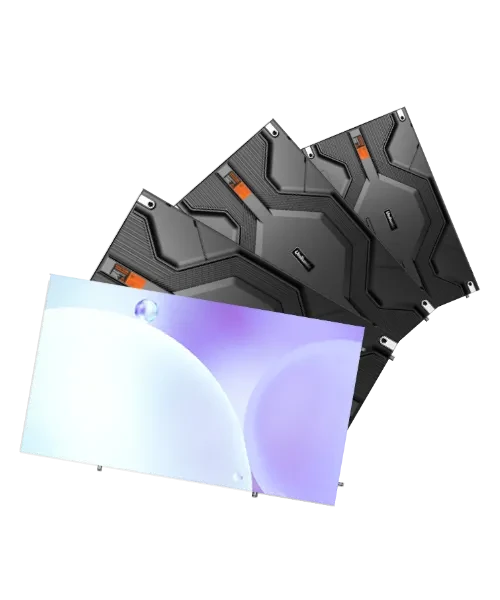
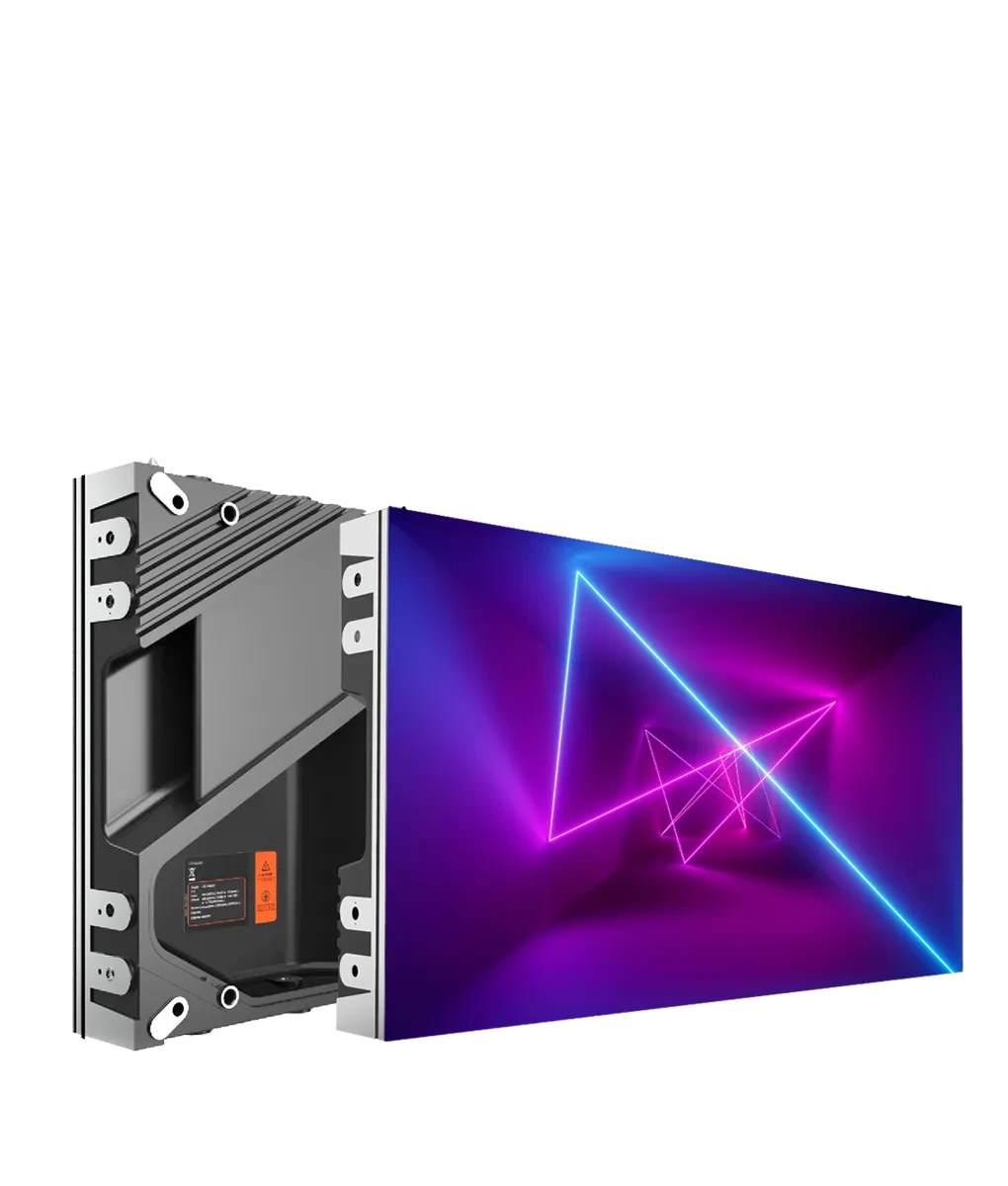


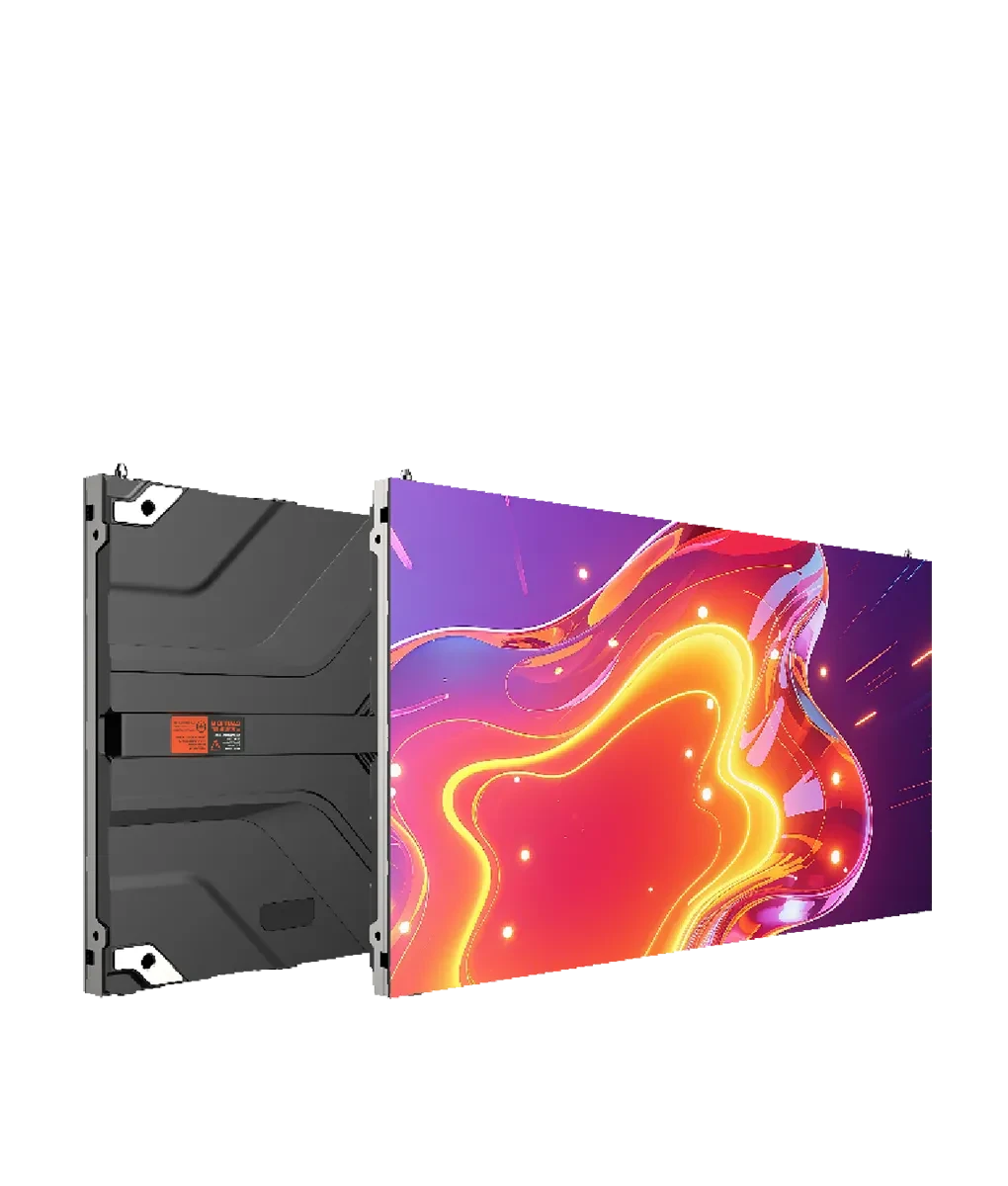
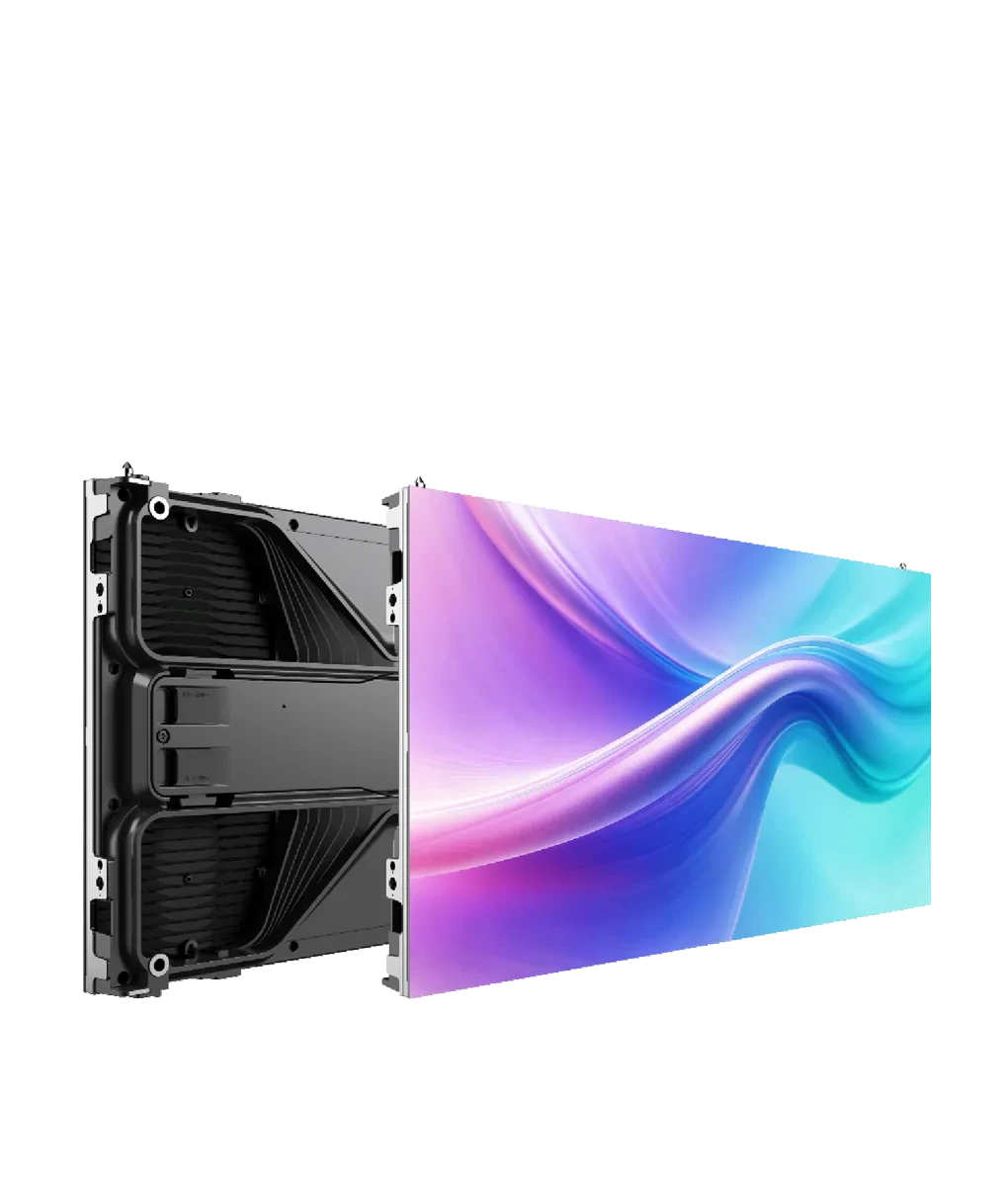

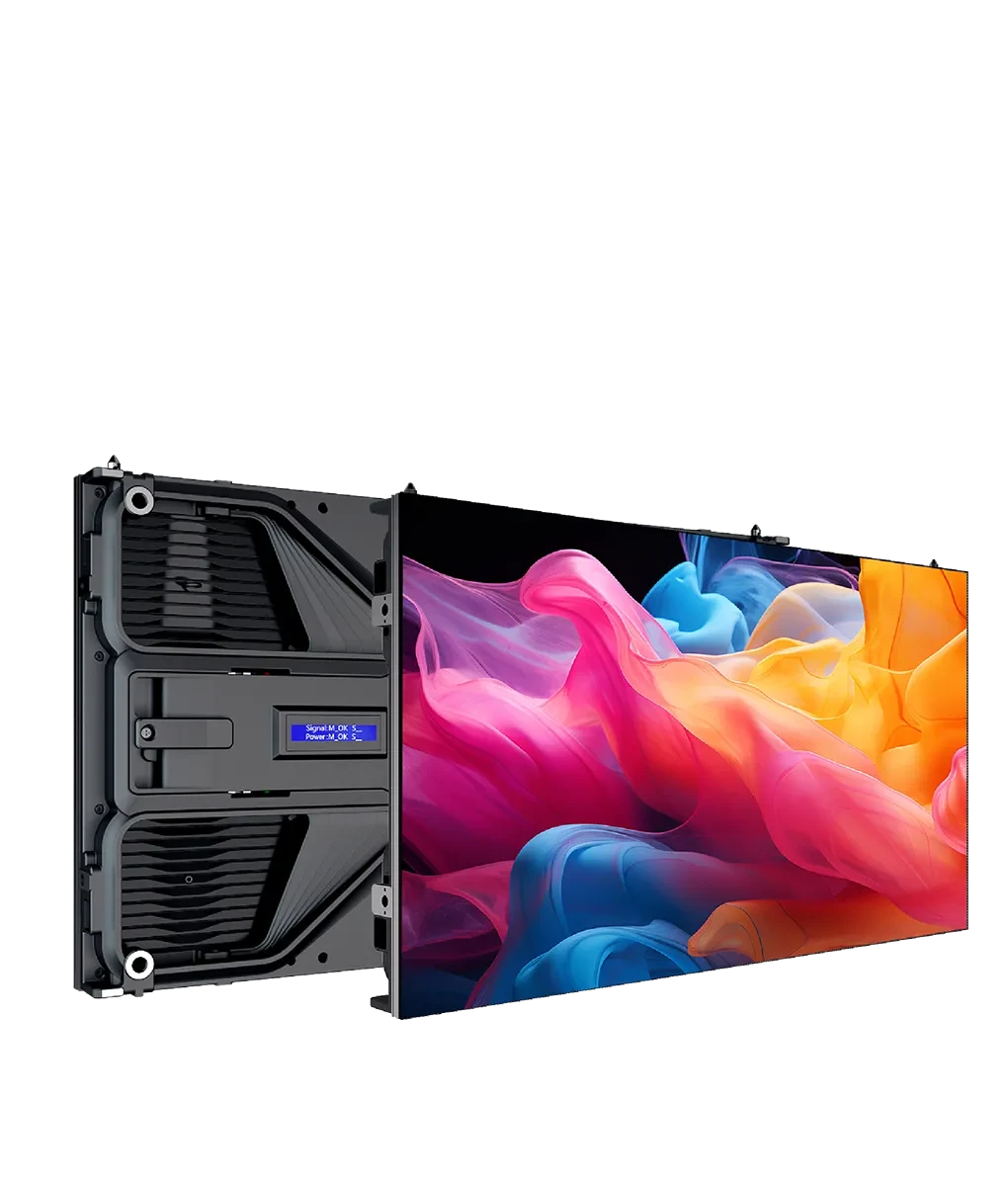


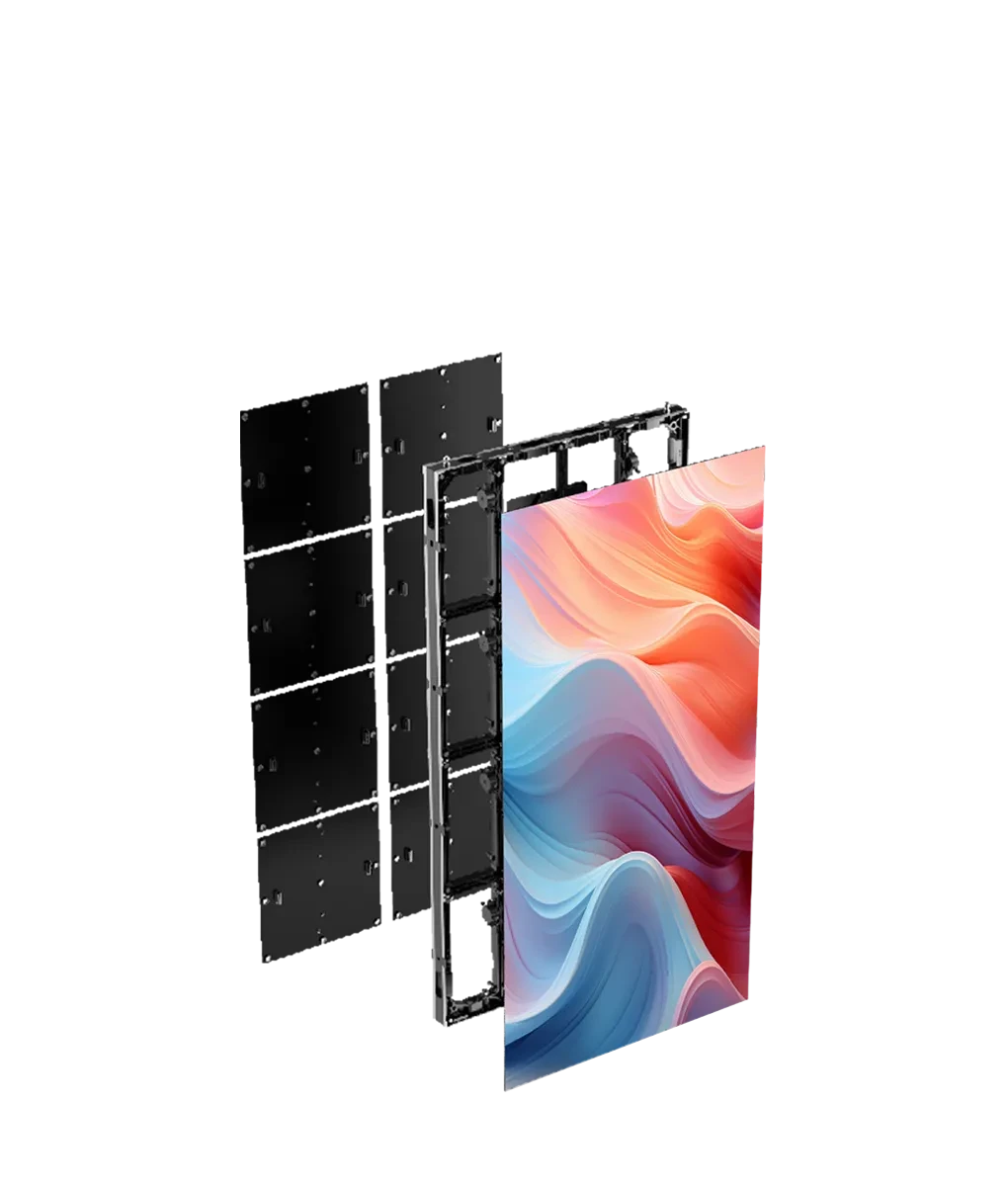


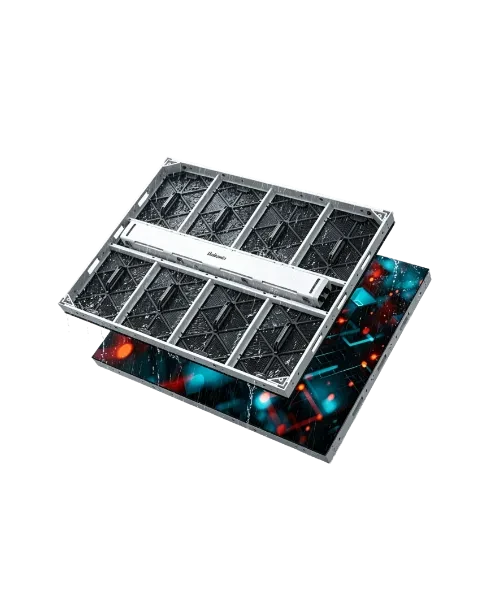


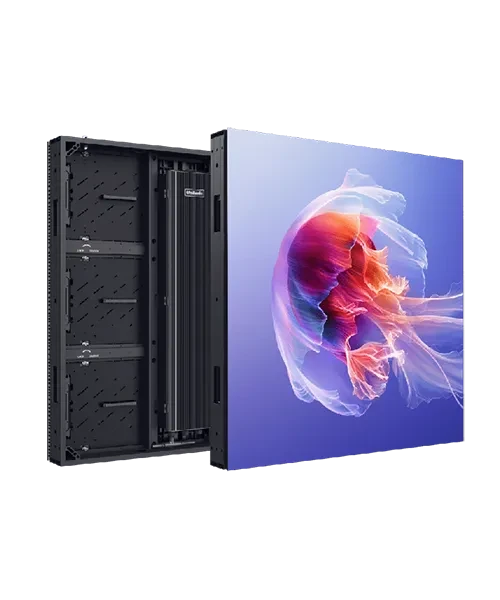


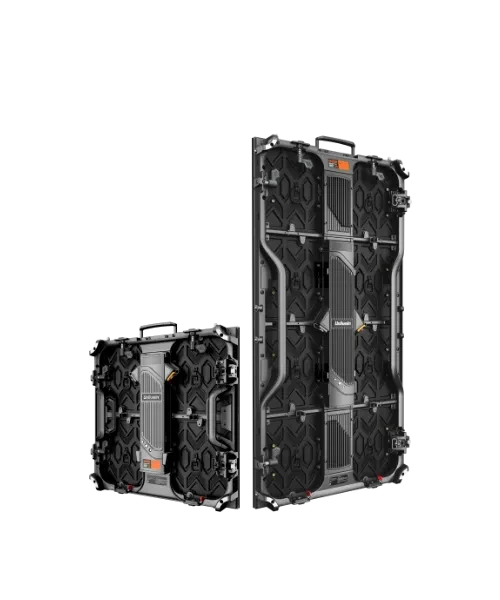

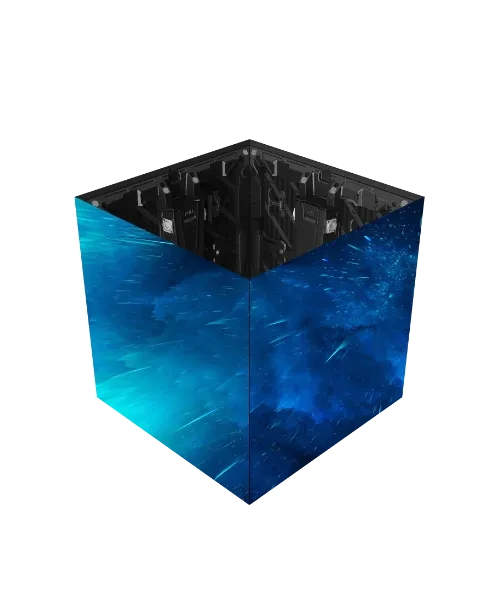
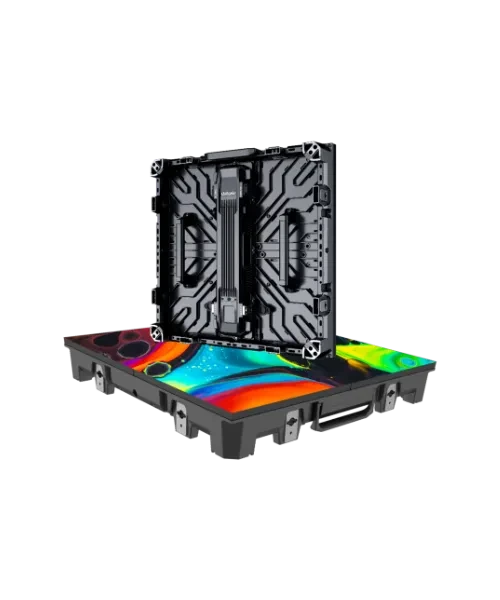
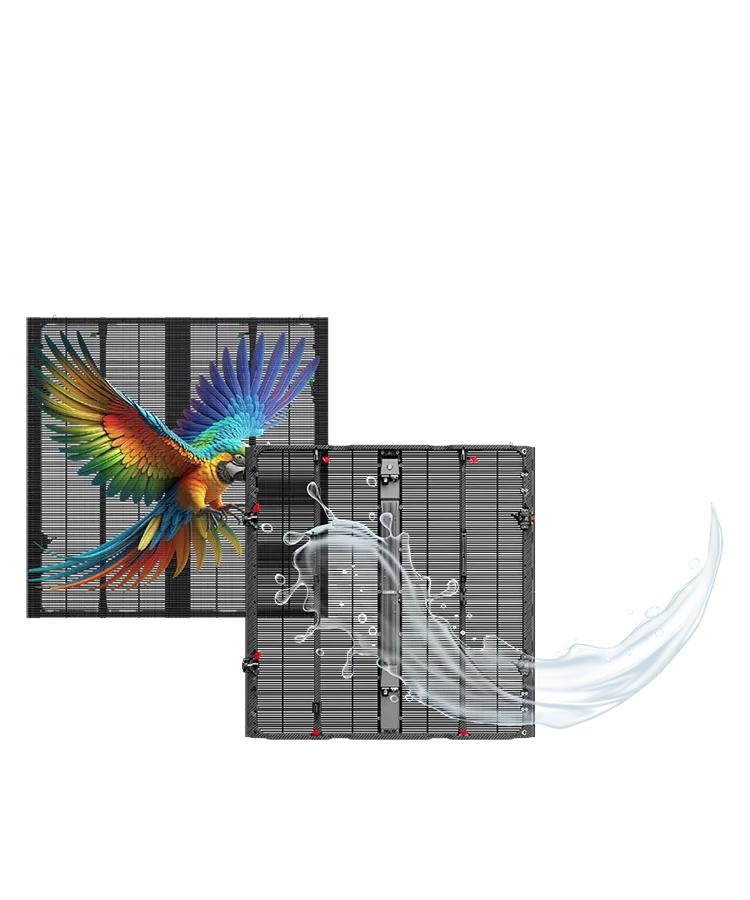


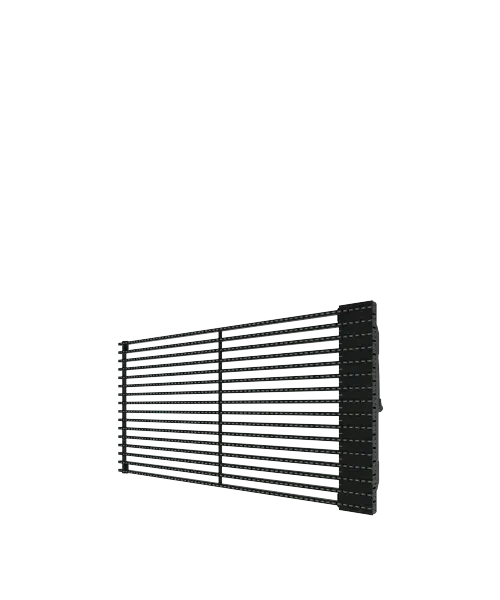
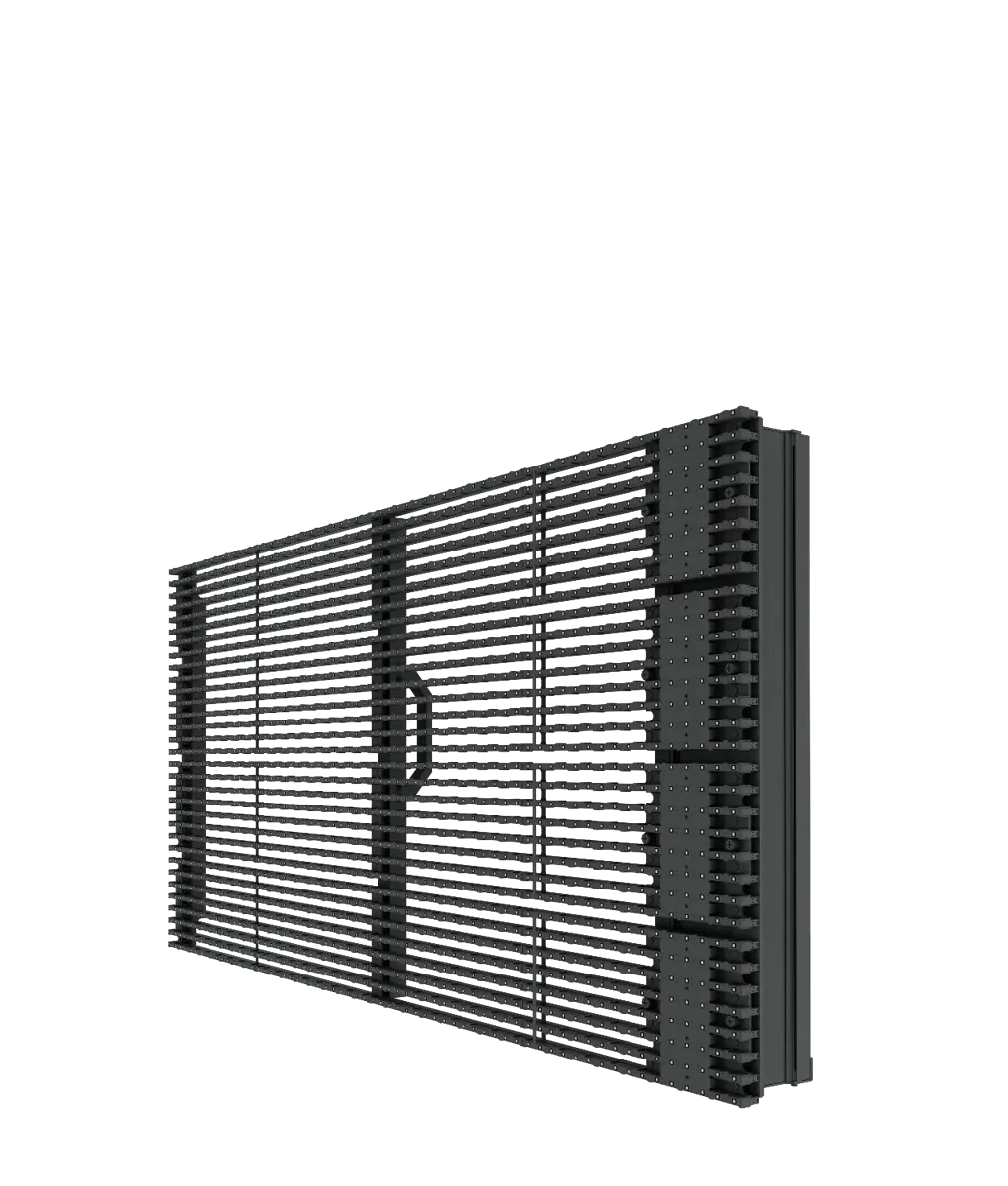
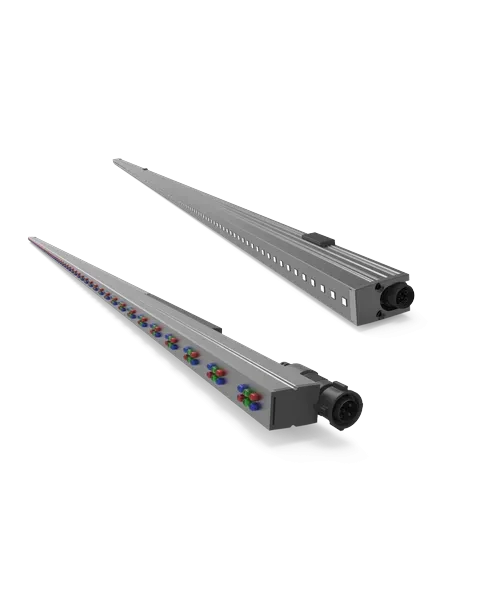


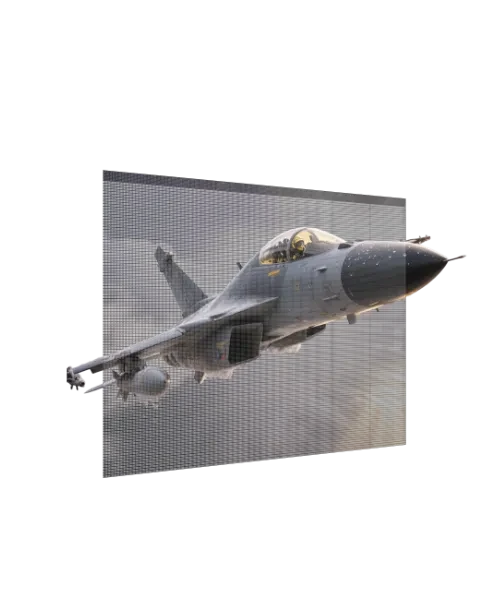

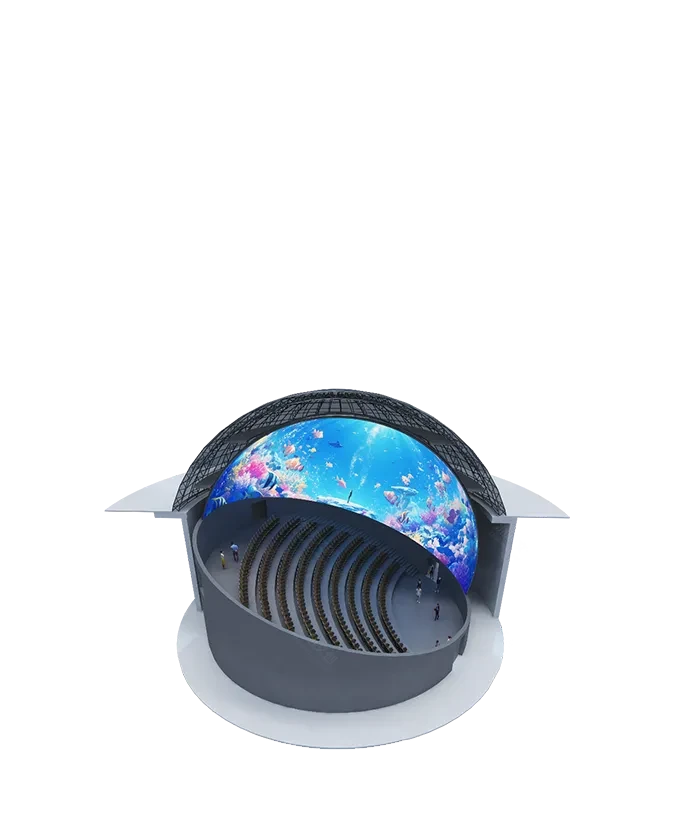
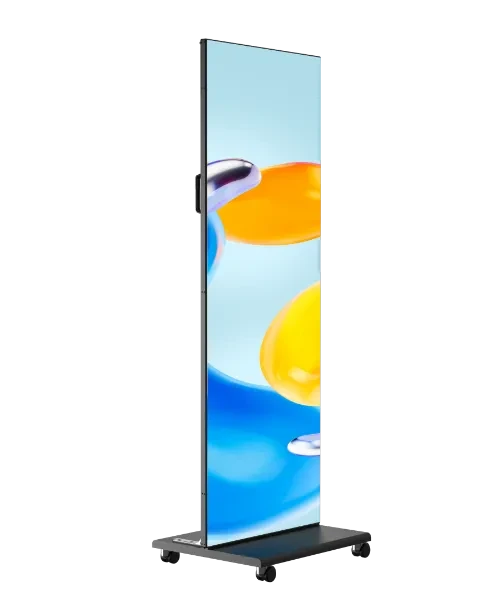
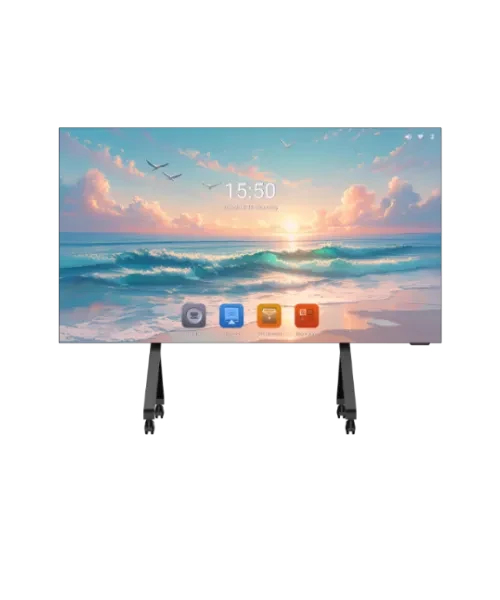


LED display screens play a critical role in shaping how shopping malls communicate and engage with their visitors. They deliver updates, highlight promotions, and create visual energy that keeps the environment vibrant and lively. However, shopping malls must choose the LED display screens carefully in order to get the most out of them. This guide explores the critical criteria for choosing the right LED display solution for your commercial space.
Key Factors to Consider When Choosing LED Display Screens
Here are the top considerations:
1. Viewing Angle
Shopping malls are dynamic environments with foot traffic moving in multiple directions. Unlike a movie theater where the audience sits directly in front of the screen, mall shoppers view digital signage from various heights and oblique angles: from escalators, upper floors, or side corridors.
To ensure your content remains readable and color-accurate from every perspective, prioritize a wide viewing angle. Recommended viewing angles are at least 140° horizontal and 120° vertical.
2. Brightness
Brightness defines how clearly a display performs under different lighting conditions. However, “brighter” is not always better. The ideal brightness depends on ambient light levels.
- For general indoor areas like corridors or food courts, a brightness of 800 to 1,000nits is sufficient. Excessive brightness here can cause glare and visual fatigue for shoppers.
- For areas with glass ceilings or skylights that let in direct sunlight, standard indoor screens will appear washed out. You need high-brightness solutions, typically ranging from 2,500 to 4,500nits, to combat natural light.
- For exterior facades facing direct sun, specs must exceed 5,000 to 10,000nits to maintain visibility.
3. Contrast Ratio
Contrast ratio determines image quality. A high contrast ratio delivers more vibrant colors and deeper blacks, essential for luxury branding. In a mall setting where ambient light is uncontrolled, a low contrast ratio can make the LED display screen look grayish and washed out.
Look for screens with high-quality black-body LEDs and a contrast ratio of more than 3,000:1. This specification ensures that promotional content for high-end fashion or jewelry looks crisp, premium, and true to life.
4. Installation Flexibility
Shopping malls often include diverse architectural designs such as curved walls, columns, and open atriums. A good LED display wall setup should adapt easily to these conditions.
Look for modular and lightweight LED display screens as they make installation simpler. Flexible panels can even be shaped around columns or fitted into irregular surfaces, giving designers freedom to match displays with existing structures.
5. Energy Efficiency
An LED video wall running 12 to 18 hours a day can be a significant utility expense. Look for “Common Cathode” technology or screens with advanced power management systems. These technologies help reduce heat generation and lower power consumption. Lower heat also means lower long-term maintenance costs and risks.
How to Maximize the Impact of LED Display Screens
Once you have identified the right technical specifications, the next step is the strategic placement of LED display screens. Different zones within a mall serve different functions, and your display strategy should reflect that.
1. Entrances and Facades
The entrance is your first point of contact. Here, the goal is attraction and footfall conversion. Large-scale outdoor or semi-outdoor LED display screens play a pivotal role in establishing the mall’s identity. High-brightness screens installed above main entryways serve as digital landmarks, broadcasting seasonal promotions, tenant advertisements, or community event information to passersby.
2. Central Atriums
Atriums are vast, open spaces. They require large pixel-pitch LED screens that can be viewed from a distance. A giant hanging screen here acts as a centerpiece for events, product launches, and festive decorations. It provides an immersive visual experience that encourages shoppers to stop, watch, and engage.
3. Corridors and Walkways
Smaller, fine-pixel pitch screens are ideal here as the viewing distance is short. These LED display solutions can replace static lightboxes to show rotating ads for nearby stores, promoting impulse buys. Furthermore, using creative shapes or pillar-wrap screens in corridors breaks the monotony of walking, keeping the shopping experience dynamic and modern.
4. Food Courts
In food courts, digital menu boards and entertainment screens serve a dual purpose: utility and engagement. High-definition screens can display dynamic menus that change based on the time of day (breakfast vs. lunch). Larger screens can broadcast live sports or entertainment.
The Key to Success
Choosing the right hardware is critical, but choosing the right partner ensures success. As a trusted supplier in the LED industry, we at Unilumin offer a comprehensive portfolio of LED display solutions that can meet the rigorous demands of shopping malls. We also provide complete service and support, including consultation, installation, and maintenance. Contact us today to make your shopping mall a premier destination for immersive visual experiences.