





















In the evolving landscape of Digital Out-of-Home (DOOH) advertising, the visual impact is currency. The directive from advertising companies is clear: brighter, sharper, and more durable displays.
However, as the deployment of digital signage scales up, a critical operational challenge has emerged—energy consumption.
While the upfront capital expenditure (CAPEX) of an outdoor LED display is a known quantity, the operating expenses (OPEX), specifically electricity bills, often bleed into long-term profits.
How to Calculate the True Cost of Operation
The formula for estimating the daily electricity cost of an LED outdoor display is straightforward:
Electricity Cost per Day ($) = Power Consumption (kW/m²) × Display Size (m²) × Hours of Operation × Electricity Rate ($/kWh)
Note: To use this formula, ensure your power consumption is converted from Watts to Kilowatts (divide Watts by 1000).
The Variables:
- Power per Square Meter (W/m²): This is determined by the screen’s efficiency. You will typically see “Max Power” (all white) and “Average Power” (typical video content). For ROI worst-case scenarios, using a figure closer to the maximum gives a safe buffer.
- Display Size (m²): The total surface area of the screen.
- Hours of Operation: While many screens run 18 hours, high-traffic DOOH locations may run 24 hours a day.
- Electricity Rate ($/kWh): This varies wildly by region, but rising global energy costs make this multiplier increasingly significant.
The Strategy: Efficiency as the ROI Driver
The most effective method to cut these costs and boost ROI in outdoor advertising LED display is not dimming the screen—which compromises ad visibility and revenue—but choosing energy-efficient solutions during the procurement phase.
An energy-efficient outdoor LED screen utilizes advanced technologies such as Common Cathode (CC) driver architecture. Unlike standard Common Anode screens where power is supplied constantly to all LEDs, Common Cathode technology supplies precise voltages separately to the Red, Green, and Blue chips. Since red LEDs require lower voltage than green and blue, this precision eliminates unnecessary voltage drops and heat generation.
Furthermore, superior heat dissipation designs remove the need for power-hungry air conditioning units behind the screen. By selecting hardware designed for efficiency, you directly reduce the “Power per Square Meter” variable in the calculation above, permanently lowering OPEX for the lifespan of the display.
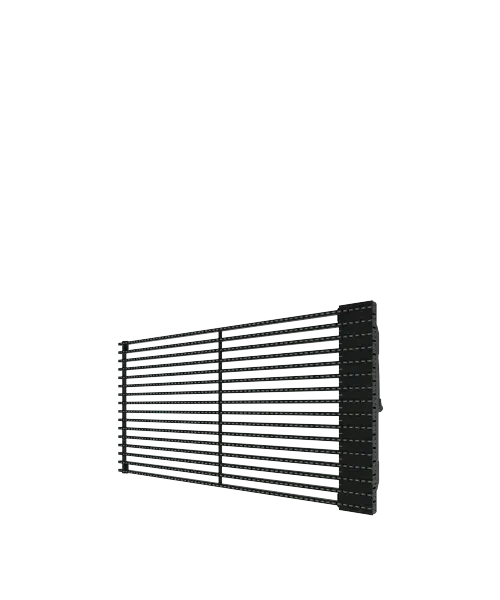
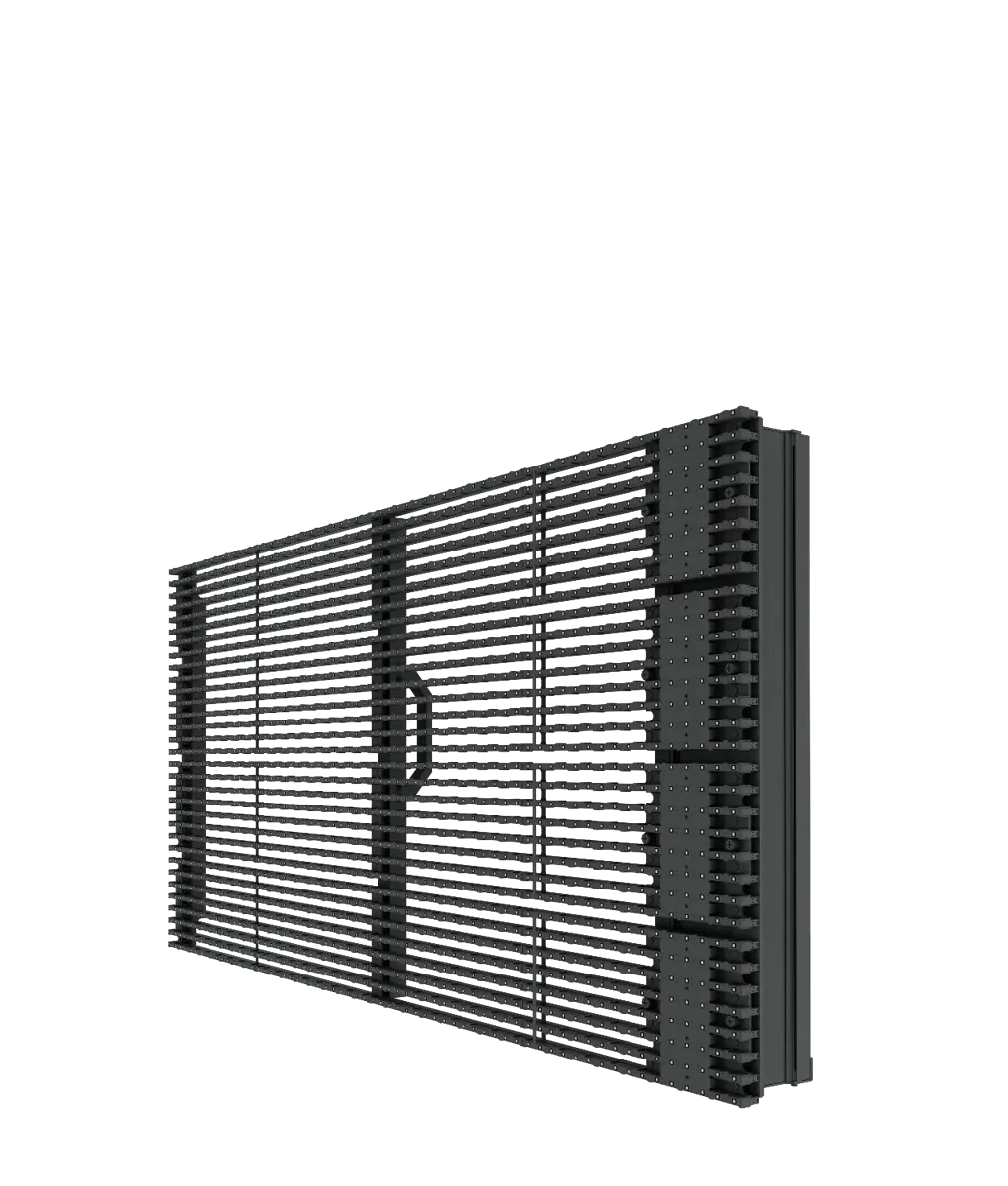
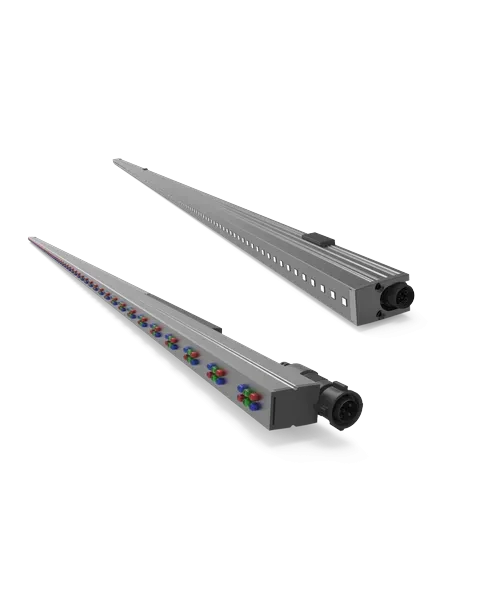
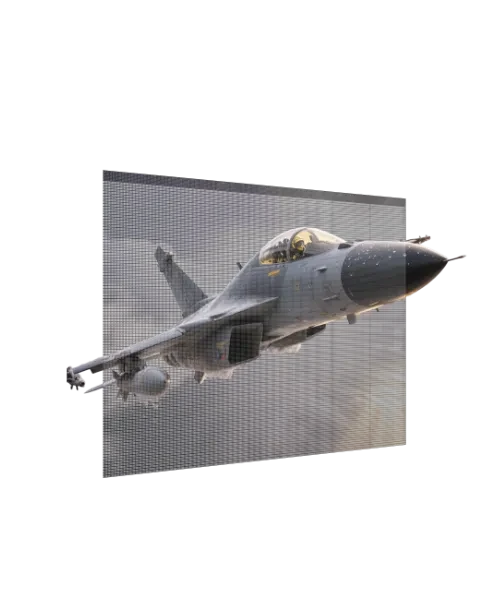
Product Spotlight: Unilumin Usurface Ⅲ Pro
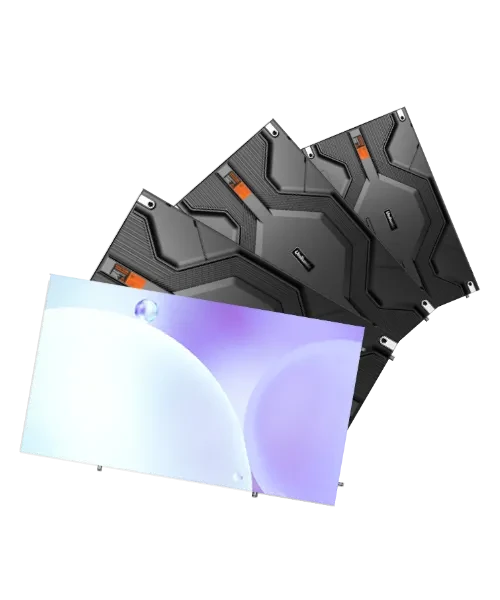
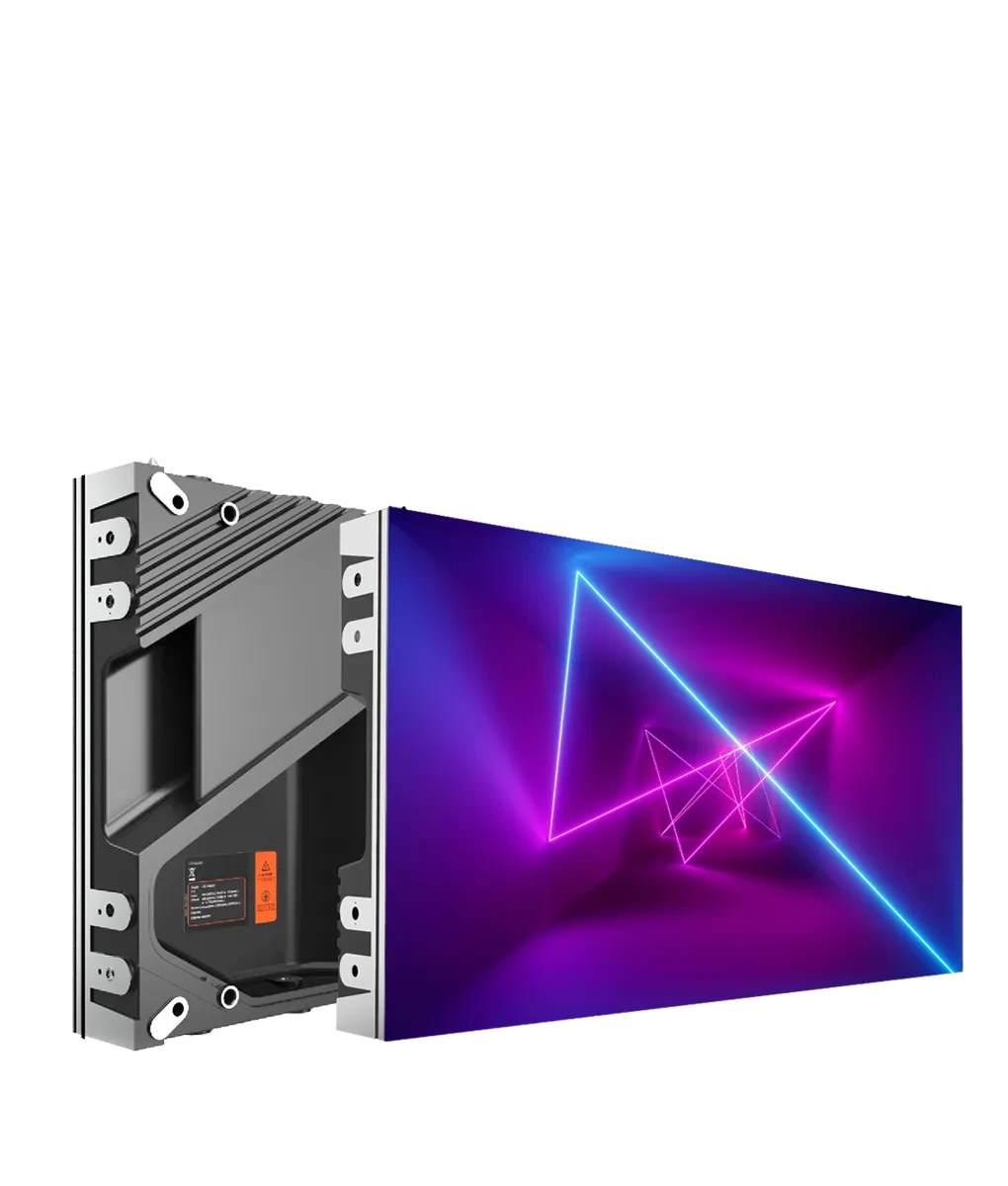
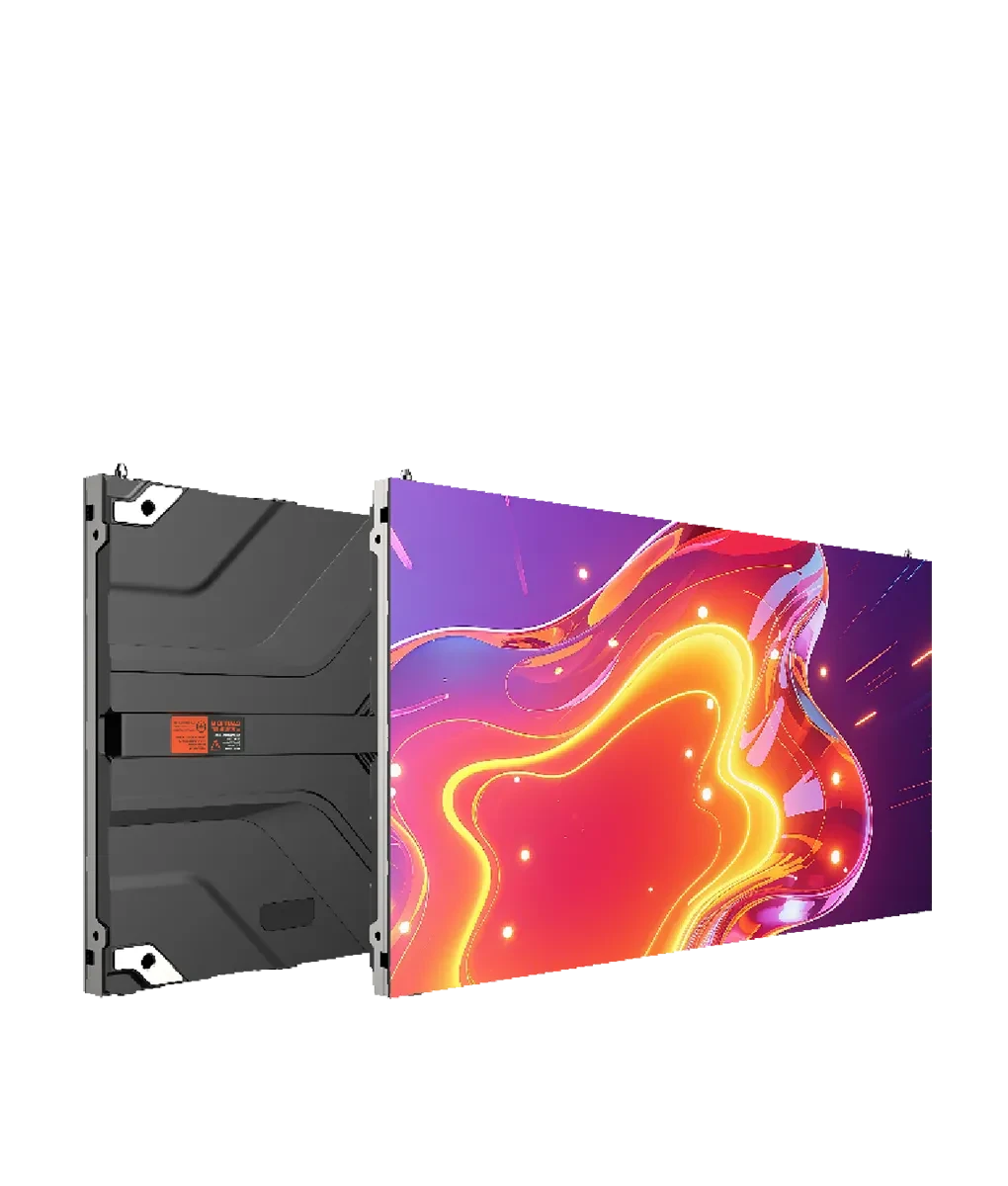
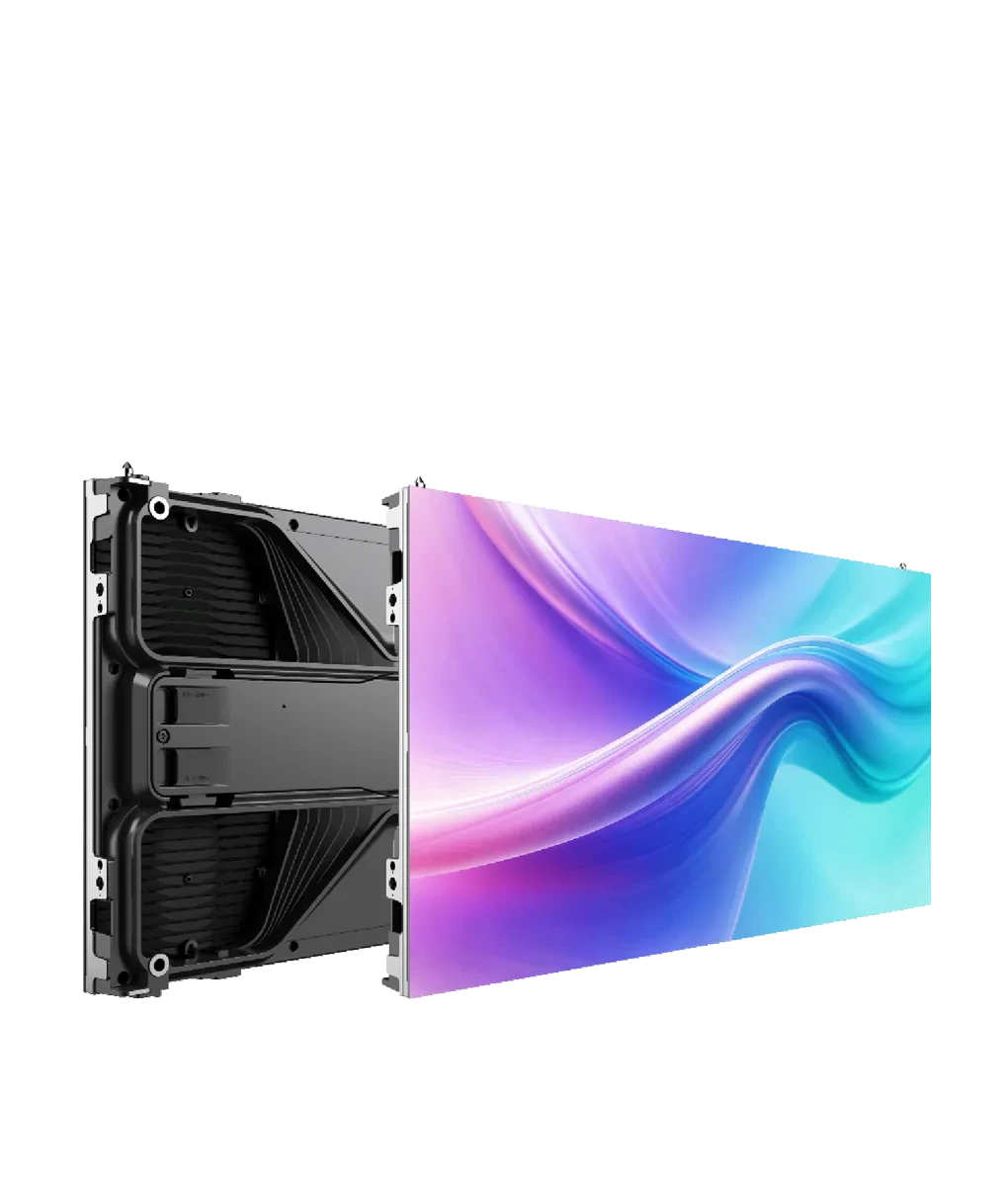
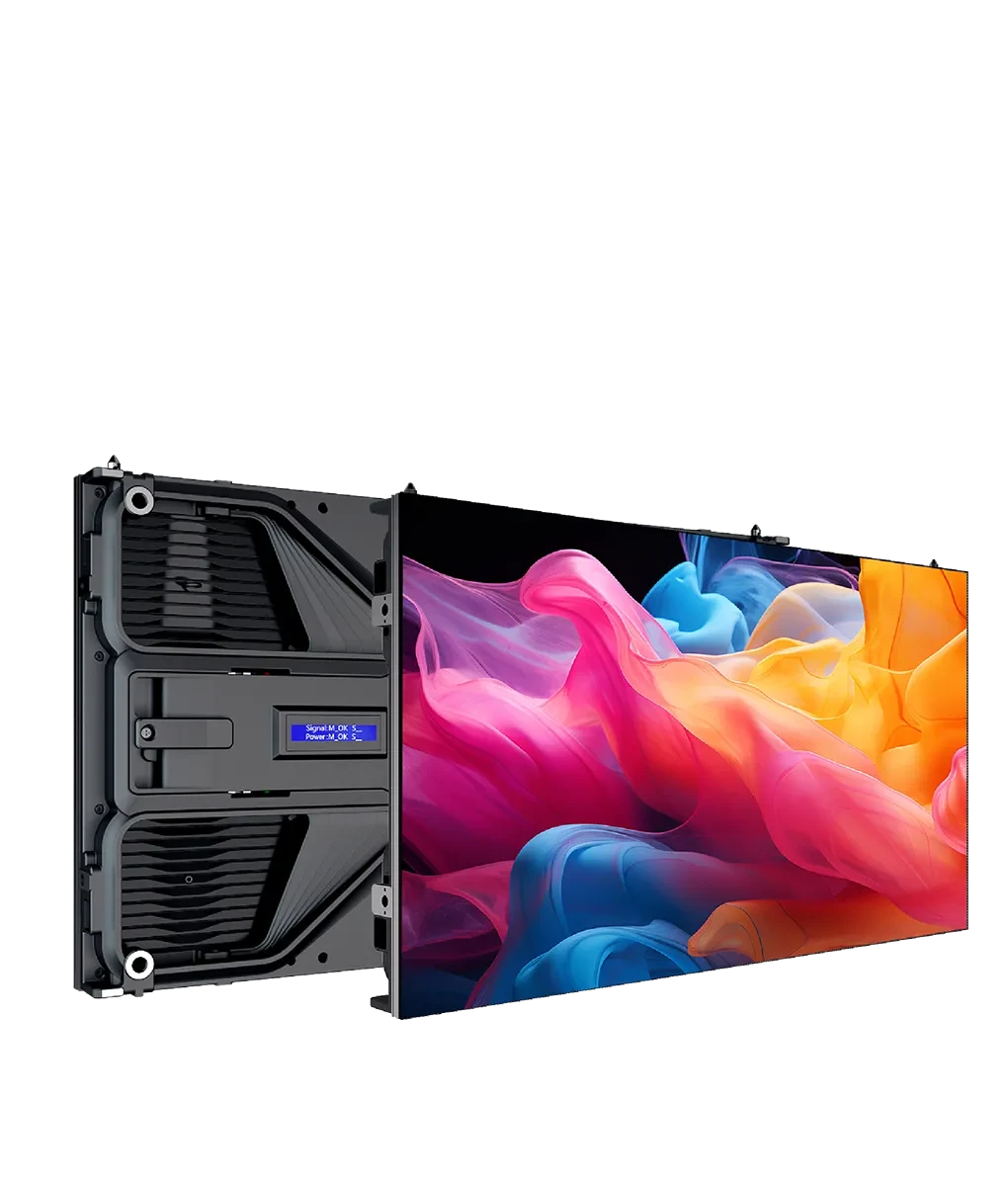
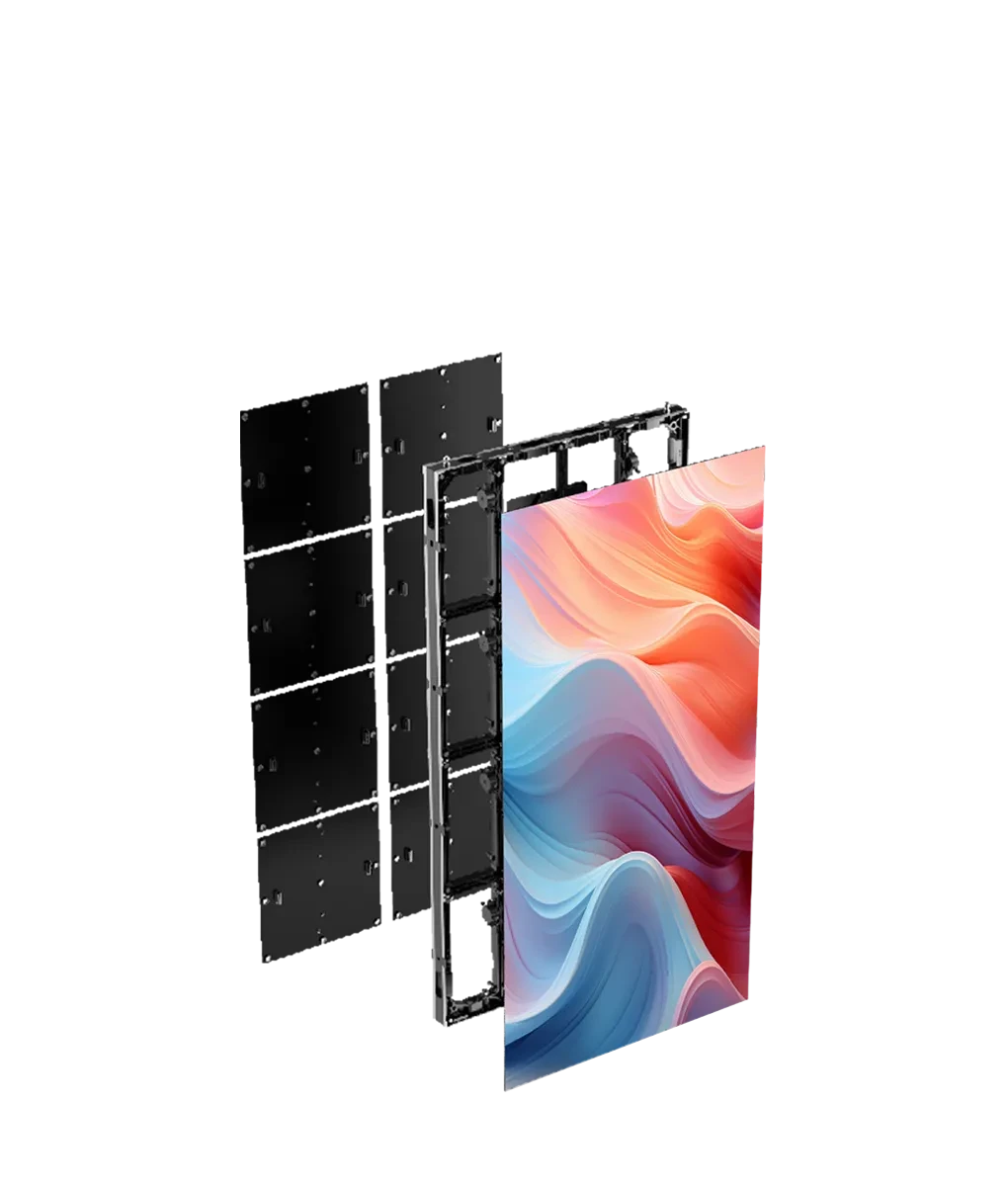
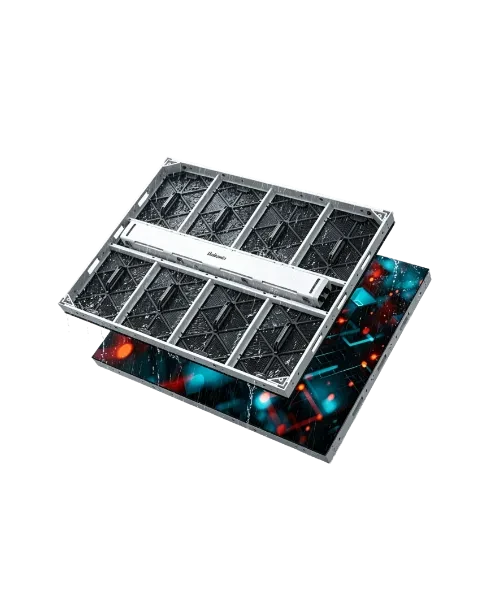
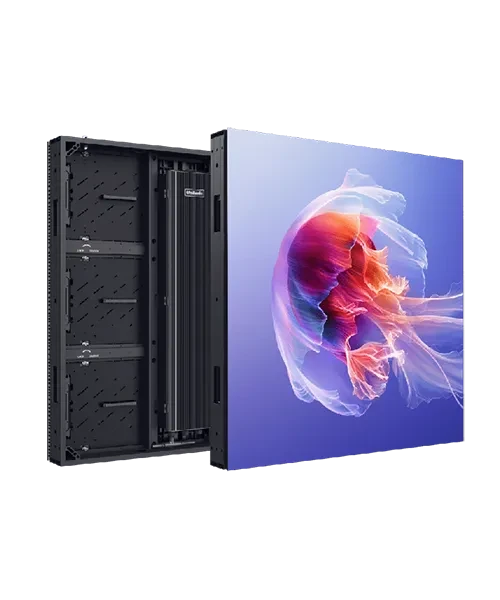
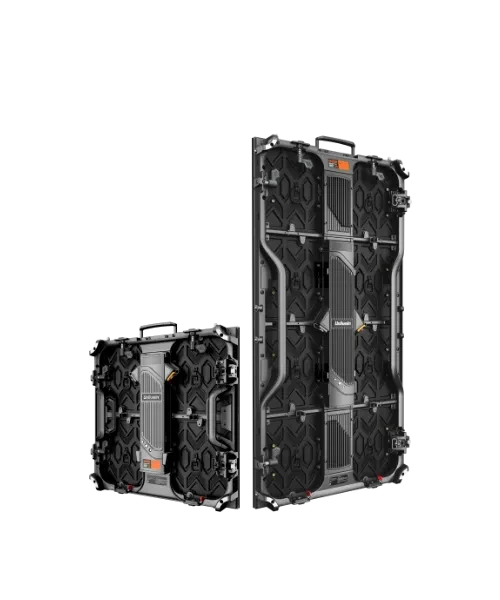
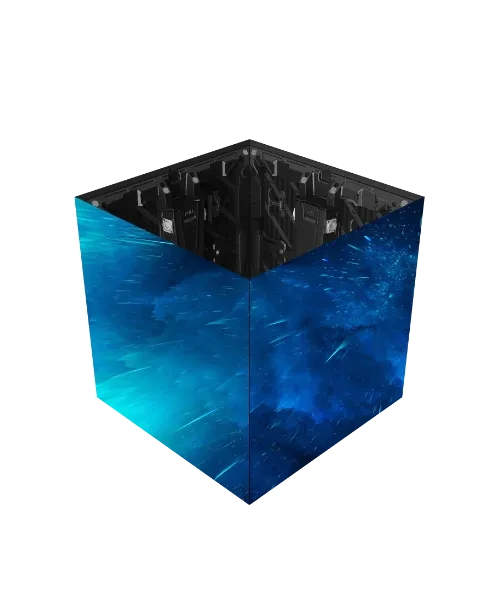
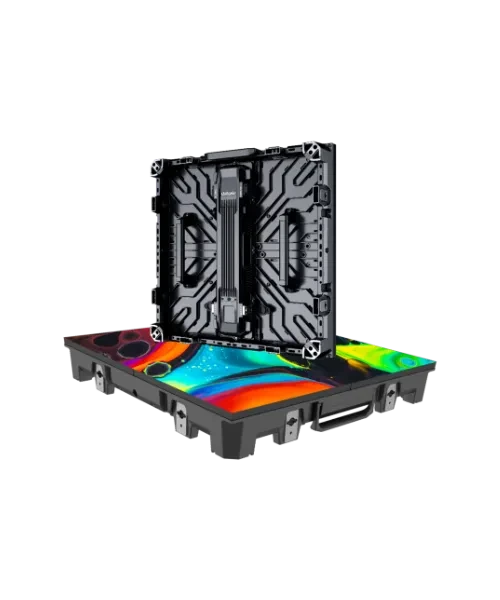
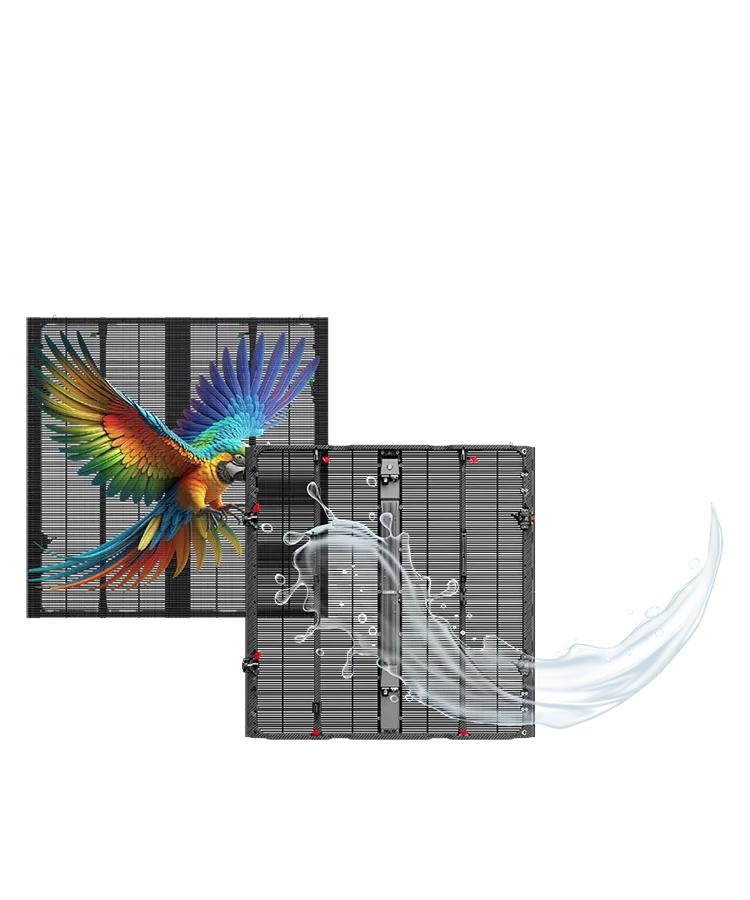
When we apply these principles to the current market, the Unilumin Usurface Ⅲ Pro stands out as a for ROI maximization. This series can address the energy crisis in the DOOH sector without sacrificing visual performance.
The Usurface Ⅲ Pro achieves a stunning brightness of 10,000 nits, ensuring visibility even under direct, harsh sunlight. Remarkably, it achieves this high brightness with a power consumption of just 580W/m². This is approximately 50% more efficient than traditional outdoor cabinets, which often require over 1000W/m² to hit similar brightness levels.
What “50%” Means?
Imagine deploying a display measuring 14 feet by 48 feet (approximately 62.43 square meters). For this comparison, we assume the display operates 24 hours a day to capture both commuter traffic and nightlife audiences, billed at a standard commercial electricity rate of roughly 14.04 cents per kilowatt-hour (USA average commercial electricity rates August 2025, publicly disclosed data from an energy provider).
Using the calculation formula established above, the daily electricity bill of Usurface Ⅲ Pro would roughly be:
580W/m² × 62.43 m² × 24 hrs × $0.1404/kWh ≈ $122.01
The monthly electricity cost would be around $3,660. This means that compared to traditional outdoor cabinets, advertising companies can save over $3500 per month. Over a typical 5-year contract, the Unilumin Usurface Ⅲ Pro could help save a significant amount in electricity costs alone.
It is also important to note that the Usurface Ⅲ Pro supports dynamic brightness adjustment. It doesn’t need to run at 10,000 nits at night; it can automatically dim based on ambient light (optional feature). This capability further reduces the average power consumption well below the 580W/m² used in our calculation.
Conclusion
For advertising companies and media owners, high electricity bills are the silent killer of DOOH profitability, eating directly into your campaign margins.
By choosing energy-efficient innovations like the Unilumin Usurface Ⅲ Pro, you are not just installing a screen; you are investing in a high-yield asset. With a potential 50% reduction in energy costs, high brightness of 10,000 nits, and robust stability, the Usurface Ⅲ Pro offers the balance of performance and operational efficiency required to maximize ROI in today’s competitive advertising market.